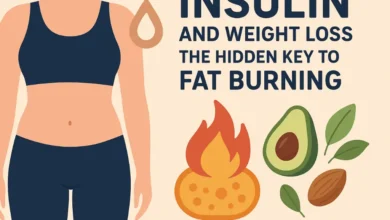
Weight Loss and the Hidden Biology Behind It
Discover why weight loss is more than willpower and how science reveals lasting solutions for obesity.

- 🔥 Biology shapes our struggle with weight loss
- 🍔 A high-fat diet confuses the brain’s hunger signals
- 📈 The obesity epidemic is fueled by modern lifestyles
- 💊 New obesity medications offer lasting hope
- ⚖️ Weight gain is not just about willpower
- 🤝 Fighting stigma is key to treating obesity
The struggle with weight loss is deeply influenced by biology, environment, and social factors. Evolutionary adaptations once meant to protect us now promote weight gain and contribute to the obesity epidemic. A high-fat diet damages the hypothalamus, leading to constant food cravings, while stigma and discrimination worsen outcomes. Recognizing obesity as a chronic disease is crucial. Effective solutions combine lifestyle interventions, medical treatments such as obesity medications, and compassionate care. Only by addressing both biology and social barriers can long-term, sustainable results be achieved.
🌟 Weight Loss and the Hidden Struggles of Obesity
When most people think about weight loss, they imagine that it is simply a matter of willpower. However, science shows that our biology and environment play powerful roles in shaping our body weight. Obesity is not the result of laziness or a lack of discipline. Instead, it is a complex chronic disease influenced by genetics, hormones, and social factors. Understanding these hidden challenges is the first step toward creating effective solutions for lasting health.

🍎 Weight Loss and the Obesity Epidemic
The global obesity epidemic highlights just how difficult weight loss can be. In countries like the United States, more than 42% of adults live with obesity, and when combined with overweight individuals, the percentage rises to 74%. This epidemic has roots in our evolutionary biology. Our ancestors relied on storing fat to survive times of famine, but today, abundant high-calorie foods trigger the same fat-storing response. As a result, many people experience uncontrolled weight gain, even when they try to make healthier choices.
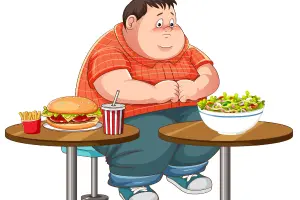
🥗 The Role of Diets and High-Fat Foods in Weight Gain
Modern eating patterns also complicate the fight against weight loss. A high-fat diet can damage neurons in the hypothalamus, the brain’s “thermostat” that regulates hunger and energy use. When this system is disrupted, the body struggles to recognize fullness, leading to cravings and more fat storage. This biological malfunction creates constant “food noise,” or intrusive thoughts about eating, making it harder for people to break the cycle of weight gain. Over time, these patterns reinforce the obesity epidemic and push individuals into a frustrating battle with their biology.
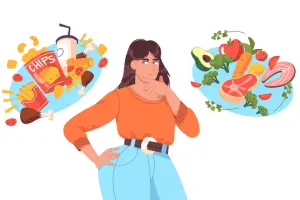
Image for illustrative purposes only
💊 Hope in Obesity Medications and New Treatments
Despite these challenges, advances in medicine are reshaping the future of weight loss. New obesity medications can quiet food cravings, balance hormones, and help people not only lose weight but also maintain results long-term. Unlike quick fixes, these treatments are designed as tools within a broader approach that includes lifestyle changes, medical supervision, and above all, compassion. Recognizing obesity as a disease, not a personal flaw, opens the door to more effective therapies and reduces the stigma that has long prevented people from seeking help.

Image for illustrative purposes only
In conclusion, understanding obesity as a chronic disease reveals that weight management is far more complex than simple willpower. Biological factors like hypothalamus inflammation, environmental influences such as processed food availability, and modern treatments including obesity medications all play essential roles. A compassionate, personalized approach that combines lifestyle changes, medical support, and awareness of food noise can truly empower individuals on their journey. For those seeking additional ways to support health naturally, you can also explore 8 natural wellness drinks perfect for summer that reduce inflammation and boost energy.
🔹 Analysis & Added Value
The article highlights how biological, environmental, and psychological factors interact in shaping the challenges of obesity. This analysis adds value by moving beyond the myth of “lack of willpower” and instead framing obesity as a chronic disease influenced by genetics, diet, brain signaling, and medication. The added insight is the recognition that treatment must be personalized, multifaceted, and empathetic, providing dignity to patients while increasing chances of long-term success.
🔹 Summary & Key Scientific Points
-
Obesity is a chronic disease, not simply a lifestyle choice.
-
Brain inflammation (especially in the hypothalamus) disrupts hunger regulation.
-
Weight loss triggers metabolic adaptation, slowing metabolism and increasing hunger hormones.
-
The obesity epidemic is driven by high-fat diets, sedentary lifestyles, and easy access to processed food.
-
Effective treatment combines lifestyle interventions, obesity medications, and sometimes surgery.
🔹 Global Examples
-
United States: Over 42% of adults live with obesity, making it a public health crisis.
-
Europe: Countries like the UK and Germany report rising obesity linked to processed foods and sedentary work.
-
Asia: Urbanization in China and India has led to increasing obesity rates, especially among children.
-
Australia: Nearly two-thirds of adults are overweight or obese, with campaigns focusing on lifestyle changes and early prevention.
🔹 Practical Tips & Exercises
-
Keep a balanced diet low in processed and high-fat foods.
-
Incorporate at least 30 minutes of daily physical activity.
-
Practice mindful eating to reduce “food noise.”
-
Consult a healthcare provider for personalized treatment, including obesity medications if necessary.
-
Track progress through journaling or digital apps to stay motivated.
🔹 Q&A Section
Q1: Is obesity only caused by overeating?
A1: No, obesity is influenced by biology, environment, medications, and genetics.
Q2: Why is it hard to maintain weight loss?
A2: Metabolic adaptation slows metabolism and increases hunger hormones.
Q3: Are obesity medications safe?
A3: Modern medications are effective and safe under medical supervision.
Q4: Can lifestyle changes alone solve obesity?
A4: Sometimes yes, but most patients need a combination of treatments.
The Biological Puzzle of Body Weight
Human health is profoundly shaped by the way our bodies regulate fat and energy, and the complexity of this system explains why slimming is often so difficult. From the perspective of evolution, our ancestors relied on calorie storage to survive harsh environments. Today, however, this same mechanism works against us, fueling persistent challenges in managing body size. A high-fat diet contributes to inflammation in the hypothalamus, the brain’s energy control center, which interferes with signals from the digestive system and fat cells. This disruption results in constant cravings, reduced ability to sense fullness, and an increased tendency toward weight gain. Over time, such changes reinforce the cycle of the obesity epidemic and make the struggle even more frustrating. Treatments such as gastric bypass surgery highlight just how far individuals may go in search of solutions, yet success often remains temporary. Because obesity is a chronic disease, no single method can provide a permanent answer. Effective approaches involve multiple strategies, including lifestyle interventions, comprehensive care, and the development of new therapies. Unfortunately, many people with obesity face stigma and discrimination, which not only worsens their condition but also discourages them from seeking help. Recognizing obesity as a disease—and supporting patients with empathy rather than blame—offers the best chance for sustainable improvement. By addressing the underlying biology and the social barriers together, society can move toward more compassionate and effective solutions for this global health challenge.