Muscle-Building Exercises: The Proven Path to Strength and Growth
Unlock the secrets of effective training with expert-recommended moves for lasting results.

- Strength Training for lasting growth
- Push-Ups: simple yet powerful
- Deadlift: the ultimate strength move
- Bench Press: foundation of chest power
- Squats: the king of lower body
- Bicep Curls for arm definition
Building muscle effectively requires a balanced mix of strength-focused movements and proper technique. From classics like the bench press, deadlift, and squats, to bodyweight staples such as push-ups and pull-ups, each exercise plays a vital role in stimulating growth. Complementary moves, including the overhead press and bicep curls, ensure full-body development. The secret to progress lies in consistency, progressive overload, and maintaining correct form. Together, these principles transform simple workouts into powerful muscle-building exercises that deliver long-term strength and stability.
💪 Top 10 Muscle-Building Exercises Recommended by Expert Trainers
Building muscle requires more than just lifting weights randomly—it’s about choosing the right exercises, applying proper form, and progressing strategically. According to leading fitness experts and strength coaches, there are ten fundamental exercises that deliver the most effective results for muscle growth. These movements are primarily compound exercises, which recruit multiple muscle groups at the same time, making them both efficient and powerful.
🏋️ Why Strength Training Is the Key to Growth
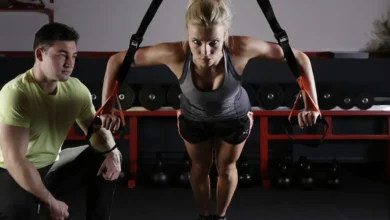
Strength training combines efficiency and functionality by engaging multiple muscles at once. This not only accelerates hypertrophy but also improves core stability and reduces injury risk.

🛋️ Bench Press: The Classic Chest Builder
The Bench Press is a foundation movement for chest development, also activating triceps and shoulders. Dumbbells (or Chest Press) allow a wider range of motion, while incline and decline variations target upper and lower chest. Progressive overload with a barbell makes this exercise one of the most reliable for muscle growth.

⚡ Deadlift: The Ultimate Strength Test
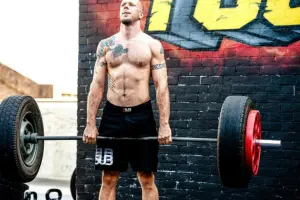
The Deadlift works the entire posterior chain—glutes, hamstrings, and back. Beginners often start with rack pulls, while variations like stiff-leg or Conventional Lift adjust the focus. Correct form is essential before increasing weight.
🤸 Push-Ups: Simple Yet Powerful
Push-Ups (also known as Press-Ups) are highly effective for chest, triceps, and shoulders. Variations like decline push-ups emphasize the upper chest, while close-grip push-ups focus more on triceps. Training to exhaustion with this bodyweight exercise delivers excellent hypertrophy results.

🏗️ Overhead Press: Building Strong Shoulders
The Overhead Press (commonly called Shoulder Press) targets all three heads of the shoulders while also engaging triceps. Variations such as the Arnold press or alternating dumbbell press enhance range of motion and stability. Slow tempo and progressive overload are key for long-term growth.

💪🌀 Bicep Curls: Isolation for Bigger Arms
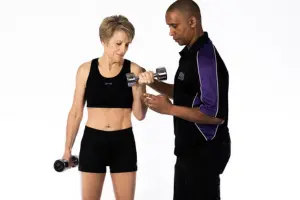
Though not a compound movement, Bicep Curls (also called Arm Curls) are essential for arm development. Hammer curls strengthen the brachialis for bigger arms, while incline curls focus on the long head to build the bicep peak. Concentration curls provide isolation for maximum definition.
✅ Final Takeaways on Muscle-Building Exercises
For long-term progress, focus on form, use progressive overload, and apply time under tension. Combining these muscle-building exercises with proper nutrition ensures strength, growth, and injury prevention.

🔹 Analysis & Added Value
Muscle-building exercises are more than just physical movements; they represent the foundation of strength, posture, and long-term health. Scientific studies confirm that incorporating compound lifts like squats and deadlifts boosts testosterone levels, increases bone density, and prevents age-related muscle loss. This makes resistance training not only essential for athletes but also for everyday individuals who aim to maintain functional fitness.
🔹 Summary & Key Scientific Points
-
Compound exercises stimulate multiple muscle groups at once.
-
Proper form reduces injury risk and maximizes results.
-
Progressive overload is essential for continuous muscle growth.
-
Balance between compound and isolation exercises ensures full-body development.
-
Consistency in training is more important than intensity alone.
🔹 Global Examples
-
United States: Gyms emphasize powerlifting movements like bench press and deadlift as core elements of athletic training.
-
Europe: Fitness culture strongly integrates functional training and kettlebells to enhance mobility alongside strength.
-
Asia: In countries like Japan and Korea, calisthenics such as push-ups and pull-ups remain popular for urban lifestyles.
-
Australia: Outdoor training parks support squats, dips, and lunges as part of active lifestyle programs.
🔹 Practical Tips & Exercises
-
Start with bodyweight moves (push-ups, lunges) before heavy weights.
-
Use progressive overload by increasing weight 5–10% every 2 weeks.
-
Combine 3 compound lifts with 2 isolation exercises per session.
-
Focus on recovery: 7–8 hours of sleep and proper nutrition.
🔹 Q&A Section
Q1: How often should I do muscle-building exercises?
A minimum of 3 sessions per week is recommended.
Q2: Can beginners start with heavy weights?
No, beginners should begin with bodyweight or light resistance.
Q3: Is form more important than lifting heavy?
Yes, correct form prevents injuries and ensures progress.
Unlocking the Power of Total-Body Fitness
When it comes to developing a strong, balanced body, expert trainers consistently emphasize the importance of combining compound movements with isolation techniques. Among the most effective methods are Pull-Ups, which shape a wider back while engaging the biceps, and Squats, often celebrated as the king of lower-body development. Exercises such as Dips provide tremendous benefits for both chest and triceps, while Lunges help improve balance and coordination by targeting quads, hamstrings, and glutes. For building density and stability, the Bent-Over Barbell Row is a key movement, activating the lats and mid-back. Additionally, concepts like Progressive Overload and Time Under Tension are vital in ensuring continuous adaptation and growth, pushing muscles beyond their comfort zone for maximum results. Above all, maintaining Correct Form reduces the risk of injury and ensures every repetition is effective. Together, these principles demonstrate why Strength Training remains the foundation of an effective workout routine, combining science and performance to help athletes and enthusiasts achieve lasting progress.