Insulin and Weight Loss: The Hidden Key to Fat Control
Discover how hormones, not just calories, shape your body’s ability to burn fat effectively.

- 🔑 Insulin unlocks fat burning
- 🥗 Low-insulin foods boost metabolism
- ⚡ Metabolic rate depends on hormones
- 🥑 Natural fats provide lasting energy
- 🚫 Refined carbs trigger fat storage
- ✅ Weight loss is about access, not calories
Lasting weight loss is not achieved by cutting calories alone but by addressing the role of hormones, especially insulin. High levels of insulin keep fat locked away, making calorie restriction ineffective. Refined carbohydrates, processed foods, and sugary products raise insulin and promote fat storage, while low-insulin foods, lean proteins, and natural fats allow the body to burn stored energy efficiently. By combining intermittent fasting with nutrient-dense choices, individuals can sustain their metabolic rate, improve energy levels, and achieve healthier, more sustainable results.
🧩 Insulin and Weight Loss: Unlocking the Hidden Key
When it comes to weight management, most people focus on calories. But science shows that insulin is the real switch that determines whether your body stores fat or burns it. Insulin acts as a “lock” on your fat reserves. If it stays elevated, fat burning becomes almost impossible. This means sustainable weight loss depends not only on how much you eat, but on how your hormones react to food.

🔑 How Insulin Controls Fat Storage
When we eat, the hormone rises to store energy. It allows fat to enter storage, but at the same time prevents fat from leaving. Only when insulin drops—such as during fasting or after low-carb meals—can fat be released as fuel. This explains why calorie-restricted diets often fail: without lowering insulin, the body cannot access stored energy.

🔥 Fat Burning and Low-Insulin Foods
Effective fat burning depends on lowering the blood sugar regulator. Diets rich in sugar, refined grains, and processed foods keep insulin high and block fat loss. On the other hand, low-insulin foods such as leafy vegetables, lean proteins, and whole foods promote fat burning naturally. Choosing the right foods ensures your body shifts from constant storage to efficient fuel use.

⚡ The Role of Metabolic Rate in Weight Loss
Your metabolic rate is the amount of energy your body burns daily. If the glucose-regulating hormone remains high while calories are restricted, the body reduces its metabolic rate to conserve energy. This is why many dieters feel fatigued and stop losing weight. Lowering insulin prevents this drop, allowing fat reserves to fuel your body while keeping metabolism active.

🥑 Natural Fats and Hormonal Balance
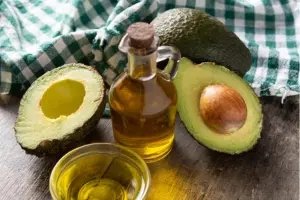
Including natural fats such as avocados, butter, olive oil, and nuts supports satiety while keeping the fat-storage hormone levels stable. Unlike processed carbs that spike insulin, natural fats provide long-lasting energy and encourage fat burning. When paired with intermittent fasting, these foods help create the perfect hormonal environment for weight loss.
✅ Conclusion: Focus on Insulin, Not Just Calories
Weight loss is not simply about calories in and calories out. It is about whether your body can access its stored energy. The key metabolic hormone is the switch that unlocks fat burning. By eating low-insulin foods, adding natural fats, and practicing intermittent fasting, you create the conditions for sustainable weight loss without harming your metabolism.

The science of insulin reveals that fat storage and weight loss are not just about calories but deeply tied to hormonal balance. By focusing on low-insulin foods, supporting the metabolic rate, and consuming natural fats, individuals can achieve sustainable fat burning and improved health. For athletes and fitness enthusiasts, combining these principles with performance-focused nutrition—such as the Carnivore Diet—can further optimize muscle growth, recovery, and metabolic efficiency. This integrated approach ensures both effective weight management and enhanced athletic performance.
🔹 Analysis & Added Value
The value of this approach lies in shifting focus from calorie counting to hormonal balance, especially insulin regulation. By integrating knowledge of carbohydrates, processed foods, and refined sugars, individuals can better understand the root cause of weight gain. This adds scientific depth and a practical perspective that goes beyond traditional dieting.
🔹 Summary & Key Scientific Points
-
Insulin directly influences fat storage.
-
Processed foods and refined carbohydrates raise insulin levels quickly.
-
Energy balance depends on both calories and hormones.
-
Lowering insulin encourages weight loss and better metabolic health.
🔹 Global Examples
-
USA: Intermittent fasting is gaining popularity as a way to lower insulin and control obesity.
-
Europe: Mediterranean diets focus on whole grains and natural fats, which support balanced insulin response.
-
Asia: Traditional diets rich in vegetables and low in processed foods naturally reduce insulin spikes.
-
Australia: Health campaigns promote cutting back on refined carbohydrates to fight rising obesity rates.
🔹 Practical Tips & Exercises
-
Replace refined carbs with whole grains.
-
Include low-insulin foods such as leafy greens and nuts in meals.
-
Use intermittent fasting for hormonal balance.
-
Stay active: walking 30 minutes daily improves metabolic rate.
🔹 Q&A Section
Q1: Does reducing insulin always lead to weight loss?
A1: Not always, but it strongly improves fat-burning capacity when combined with healthy eating.
Q2: What foods help lower insulin naturally?
A2: Vegetables, nuts, seeds, and natural fats like avocado and olive oil.
Q3: Is calorie counting unnecessary?
A3: Calorie awareness is useful, but focusing only on calories ignores the hormonal drivers of fat storage.
Unlocking the Science of Lasting Weight Management
Understanding weight control requires more than simply counting calories; it involves recognizing how the body’s energy balance is regulated by a complex hormonal system. Body fat is not just passive storage—it acts as a reservoir of excess energy, much like a refrigerator filled with surplus food. Access to this storage, however, depends on the body’s hormones, and when the primary hormonal regulator rises, fat remains locked away. This means a person can restrict food yet still struggle to lose body fat, especially if their diet is dominated by refined carbohydrates, processed foods, or sugary foods. These options create rapid spikes in glucose, sending powerful signals for storage rather than release. On the other hand, diets based on low-insulin foods such as vegetables, fish, and lean proteins provide both energy and metabolic flexibility, reducing the reliance on constant intake. Additionally, focusing on natural fats—like those found in avocados and butter—offers steady fuel without disrupting the metabolic rate. As highlighted in resources such as The Obesity Code, sustainable weight management requires selecting foods not only for their calorie count but also for their impact on hormones and fat accessibility. By choosing whole, nutrient-dense foods and practicing intermittent strategies, individuals can maintain an efficient metabolism, avoid energy crashes, and achieve healthier outcomes without constant hunger or fatigue.