Stress Reduction Strategies for a More Balanced and Focused Life
Simple habits can turn daily stress into a tool for growth and clarity. Learn how to master stress instead of avoiding it.

- Find calm in the stress sweet spot
- Breathe like a Navy SEAL under pressure
- Reframe tension as personal growth
- Anchor your mind in the present moment
- Your future self would choose this challenge
- Tiny actions beat overwhelming thoughts
Stress Reduction
Stress doesn’t have to be the enemy. By using tools like mindfulness, movement, breath control, and gratitude, we can build resilience and operate within the “stress sweet spot.” These small but powerful practices help us stay present, avoid burnout, and maintain mental clarity. Even when life feels overwhelming, shifting our perspective allows us to view stress not as a threat, but as a sign of growth. With the right mindset and daily habits, true stress relief becomes achievable and sustainable.
Effective Stress Reduction Starts with the Right Mindset
To begin the process of stress reduction, we must first shift the way we think about stress. Many people assume all stress is harmful. However, research shows that believing stress is bad for your health does more damage than the stress itself. Viewing stress as a performance enhancer rather than a threat can help relax the body and promote better decision-making.
Stress Techniques That Actually Work
Instead of escaping from pressure, apply practical stress techniques—also known as coping strategies—to stay grounded. One such strategy is box breathing, used by elite performers like Navy SEALs. Inhale for four seconds, hold, exhale, and hold again—all for four seconds each. This resets the nervous system and restores mental clarity.
Managing Overwhelm Before It Becomes Burnout
Feeling overwhelmed is a sign of mental overload. Left unmanaged, it can lead to full burnout. The solution lies in small actions. Count backwards: “5, 4, 3, 2, 1” and move—whether it’s getting a glass of water or walking outside. Movement shifts your physiology and clears the mental fog.

Emotional Regulation Through Sensory Awareness
Effective emotional regulation, or mood control, begins with present-moment awareness. Tune into your senses: focus on colors, sounds, or sensations like wind on your skin. This breaks the chain of negative thinking and reduces anxiety. The acronym SHIFTS can help you remember: Sight, Hearing, Intuition, Feel, Taste, Smell.
How Self-Envying Leads to Gratitude and Stress Relief
A powerful stress relief method is self-envying, also known as a future perspective shift. Imagine your 90-year-old self looking back at your current stress. That older version of you would likely be grateful to have the strength, mind, and opportunities you now possess. This mindset transforms stress into a sign of vitality.

Final Word on Balanced Stress Reduction
The key to sustainable stress reduction lies in perspective, presence, and small actions. Use techniques like box breathing, movement, and self-envying regularly. Don’t eliminate stress—optimize it. Embrace it as a motivator and manage it mindfully.
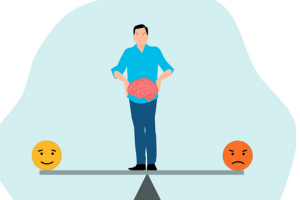
🌿 The Art of Staying Grounded in a Demanding World
Modern life is filled with constant demands, unexpected changes, and moments that test our patience. In the midst of these challenges, effective stress management becomes not just useful—but necessary.
By incorporating small practices like mindfulness, intentional breath control, and physical activity, we equip ourselves to face difficulties with clarity and strength. When we’re stuck in endless loops of thought, tuning into the present moment helps interrupt the noise and bring us back to what matters. Our mental health thrives when we give our brains what they’re wired for—movement, presence, and emotional regulation. Through these daily habits, we create space for gratitude, even during difficult times.
While it’s tempting to avoid tension, seeing stress as a natural and even valuable signal—like a coping strategy—helps us respond instead of retreat. It’s not about perfection, but progress. When we understand that stress sweet spot—the balance between pressure and peace—we can step into each day more prepared. Let’s remember: the goal isn’t to eliminate tension entirely but to develop a healthier relationship with it.
And in doing so, we achieve true emotional regulation and long-term resilience. If we can’t reduce stress entirely, we can still work towards its relief by making space for intentional action.