Anti-inflammatory Superfoods: Kale, Cauliflower, and Broccoli for Better Health
Discover how cruciferous vegetables fight inflammation, strengthen immunity, and support long-term wellness naturally.

- Kale, cauliflower, and broccoli fight inflammation
- Cruciferous vegetables strengthen bones and vitality
- Dietary fiber in cauliflower supports digestion
- Broccoli boosts the immune system naturally
- Sulforaphane reduces oxidative stress in cells
- Foods that reduce inflammation promote longevity
Kale, cauliflower, and broccoli are powerful members of the cruciferous vegetables family, rich in antioxidants, sulforaphane, and essential nutrients. They help reduce oxidative stress, support the immune system, and fight inflammation naturally. Kale provides magnesium for strong bones, cauliflower offers dietary fiber for healthy digestion, and broccoli delivers vital vitamins like K and folate. Together, these foods that reduce inflammation act as natural superfoods, promoting vitality, disease prevention, and long-term wellness when included regularly in a balanced diet.
Anti-inflammatory Superfoods: Kale, Cauliflower, and Broccoli
When it comes to protecting our health, Anti-inflammatory Superfoods play a crucial role in reducing oxidative stress and supporting long-term vitality. Among them, kale, cauliflower, and broccoli stand out as powerful cruciferous vegetables that deliver essential nutrients while helping the body fight chronic inflammation.
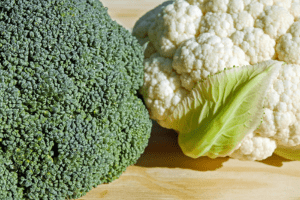
Image for illustrative purposes only
Foods that Reduce Inflammation: The Role of Cruciferous Vegetables
Cruciferous vegetables, also known as Brassica vegetables, are unique for their high levels of sulforaphane, a compound that reduces cellular oxidation. Kale, for example, is packed with antioxidants, magnesium, and chlorophyll, which not only lower the effects of oxidative stress but also protect against osteoporosis and bone density loss. To maximize benefits, experts recommend chopping kale and letting it rest before cooking, which activates powerful enzymes.
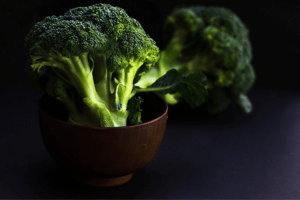
Image for illustrative purposes only
Cauliflower and Dietary Fiber for Better Digestion
Cauliflower is one of the most versatile Anti-inflammatory Superfoods. It is rich in dietary fiber, vitamin K, and folate, supporting gut health and the immune system (also called the body’s defense system). Steaming cauliflower instead of boiling helps preserve its antioxidants and natural aroma. Because of its mild taste and soft texture, cauliflower can easily replace starch-heavy foods like potatoes, making it a family-friendly option for healthier meals.
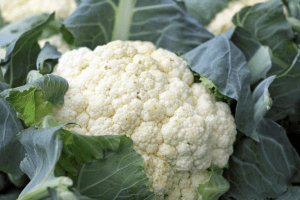
Image for illustrative purposes only
Broccoli: A Superfood for Cancer Prevention and Strong Immunity
Broccoli is another member of the cruciferous family and one of the most studied Anti-inflammatory Superfoods. Research shows that its sulforaphane content not only lowers oxidative stress but also reduces the risk of cancers such as breast, lung, and prostate. Regular consumption of broccoli, whether raw or steamed, has been linked to improved immune system performance and lower inflammation. For added benefits, pre-chopping and adding mustard seed powder helps enhance its protective compounds.
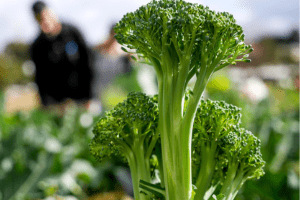
Image for illustrative purposes only
Conclusion: Why Anti-inflammatory Superfoods Matter for Longevity
From kale’s bone-strengthening magnesium to cauliflower’s gut-friendly dietary fiber and broccoli’s cancer-fighting sulforaphane, these cruciferous vegetables are more than just side dishes—they are true Anti-inflammatory Superfoods. By integrating them into daily meals, you strengthen your body’s defense system, reduce inflammation, and build a foundation for long-term health and vitality.
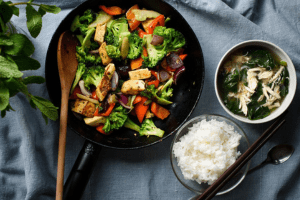
Image for illustrative purposes only
Nourishing Power of Kale, Cauliflower, and Broccoli
Kale, cauliflower, and broccoli are remarkable members of the cruciferous vegetables family, widely recognized for their role in promoting overall wellness. These foods are rich in sulforaphane, a natural compound with strong antioxidant properties that help neutralize free radicals and limit cellular damage. By supporting the body’s defenses, they reduce the impact of oxidative stress, a major factor contributing to chronic health issues. Kale stands out as an excellent source of antioxidants and magnesium, making it particularly beneficial for maintaining healthy bones and preventing osteoporosis. Cauliflower, with its high fiber content, not only supports digestion but also helps regulate blood sugar levels while contributing to heart health. Broccoli, on the other hand, is highly praised for its immune-supporting vitamins, such as vitamin K and folate, both of which are crucial for growth, repair, and overall vitality. By incorporating these vegetables into everyday meals, you gain a natural advantage against inflammation, while strengthening the immune system—the body’s ultimate line of defense. In this sense, kale, cauliflower, and broccoli are more than vegetables; they are truly foods that reduce inflammation when eaten consistently and mindfully.